1970
فیلم
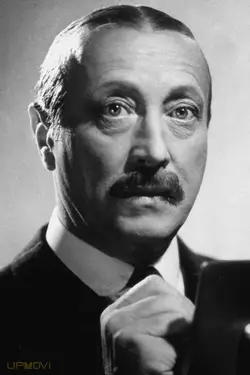
Hubert von Meyerinck
بازیگر
185
عنوانهای یافتشده
Hubert von Meyerinck was born in Potsdam on August 23, 1896, the son of a major. After his parents divorced, he was raised by his mother. From an early age he showed a strong interest in acting and began taking lessons as a child, despite his parents’ wish that he pursue a career as a priest. After completing school, he was drafted into military service during World War I but was discharged shortly afterward for health reasons.
In 1917, he made his stage debut at the Berliner Schauspielhaus as Lieutenant von Hagen in "Kolberg." Following an engagement at the Hamburger Kammerspiele from 1918 to 1920, he performed at numerous Berlin theatres and variety venues, including the revue "Es liegt was in der Luft" alongside Marlene Dietrich. He earned acclaim both for his cabaret performances at the famed Tingeltangel and for dramatic stage roles such as Mephisto in "Faust" and Mackie Messer in "Die Dreigroschenoper."
At the beginning of the 1920s, von Meyerinck transitioned to film. After a significant early role in Georg Jacoby’s serial "Der Mann ohne Namen," he appeared in supporting roles in silent films including Artur Robison’s "Manon Lescaut" (1926) and Wilhelm Dieterle’s "Ich lebe für Dich" (1929). His distinctive appearance—bald head, monocle, thin moustache—quickly made him recognizable, and he became a popular character actor. He was often typecast as aristocrats, bourgeois figures, authoritarian officials, eccentrics, or crooks. With the arrival of sound film, his raspy voice further defined his screen persona.
Among his notable early sound films were Max Ophüls’ "Die verliebte Firma" (1931/32), Franz Wenzler’s "Wenn die Liebe Mode macht" (1932), and Kurt Gerron’s "Der weiße Dämon" (1932). During the Nazi era, he remained one of Germany’s most prolific and popular supporting actors, appearing in more than 90 productions between 1933 and 1945. These ranged from comedies such as "Ein falscher Fuffziger" (1935) to Willi Forst’s adaptation of Maupassant’s "Bel Ami" (1939) and Helmut Käutner’s "Kitty und die Weltkonferenz" (1939). He also took smaller roles in propagandistic films including "Ein Volksfeind" (1937) and "Trenck, der Pandur" (1940). Although it was widely known that he was homosexual, he was not prosecuted by the regime.
In the 1950s and 1960s, von Meyerinck successfully parodied his established authoritarian image in numerous comedies. In 1957 alone he appeared in 13 films, including the popular "Der tolle Blomberg" and "Das Wirtshaus im Spessart." He received the Prize of the German Film Critics in 1960 for "Ein Mann geht durch die Wand" and again in 1961 for "Das Spukschloß im Spessart." Another highlight was his role as an exuberant aristocrat in Billy Wilder’s Cold War satire "One, Two, Three." Between 1965 and 1969, he regularly appeared as Sir Arthur, head of Scotland Yard, in the Edgar Wallace film series.
Despite appearing in around 250 films, von Meyerinck remained committed to the stage and joined the ensemble of Hamburg’s Thalia Theatre in 1966. In 1968, he received a lifetime achievement award at the German Film Prize and published his memoirs. He died in Hamburg on May 13, 1971.
In 1917, he made his stage debut at the Berliner Schauspielhaus as Lieutenant von Hagen in "Kolberg." Following an engagement at the Hamburger Kammerspiele from 1918 to 1920, he performed at numerous Berlin theatres and variety venues, including the revue "Es liegt was in der Luft" alongside Marlene Dietrich. He earned acclaim both for his cabaret performances at the famed Tingeltangel and for dramatic stage roles such as Mephisto in "Faust" and Mackie Messer in "Die Dreigroschenoper."
At the beginning of the 1920s, von Meyerinck transitioned to film. After a significant early role in Georg Jacoby’s serial "Der Mann ohne Namen," he appeared in supporting roles in silent films including Artur Robison’s "Manon Lescaut" (1926) and Wilhelm Dieterle’s "Ich lebe für Dich" (1929). His distinctive appearance—bald head, monocle, thin moustache—quickly made him recognizable, and he became a popular character actor. He was often typecast as aristocrats, bourgeois figures, authoritarian officials, eccentrics, or crooks. With the arrival of sound film, his raspy voice further defined his screen persona.
Among his notable early sound films were Max Ophüls’ "Die verliebte Firma" (1931/32), Franz Wenzler’s "Wenn die Liebe Mode macht" (1932), and Kurt Gerron’s "Der weiße Dämon" (1932). During the Nazi era, he remained one of Germany’s most prolific and popular supporting actors, appearing in more than 90 productions between 1933 and 1945. These ranged from comedies such as "Ein falscher Fuffziger" (1935) to Willi Forst’s adaptation of Maupassant’s "Bel Ami" (1939) and Helmut Käutner’s "Kitty und die Weltkonferenz" (1939). He also took smaller roles in propagandistic films including "Ein Volksfeind" (1937) and "Trenck, der Pandur" (1940). Although it was widely known that he was homosexual, he was not prosecuted by the regime.
In the 1950s and 1960s, von Meyerinck successfully parodied his established authoritarian image in numerous comedies. In 1957 alone he appeared in 13 films, including the popular "Der tolle Blomberg" and "Das Wirtshaus im Spessart." He received the Prize of the German Film Critics in 1960 for "Ein Mann geht durch die Wand" and again in 1961 for "Das Spukschloß im Spessart." Another highlight was his role as an exuberant aristocrat in Billy Wilder’s Cold War satire "One, Two, Three." Between 1965 and 1969, he regularly appeared as Sir Arthur, head of Scotland Yard, in the Edgar Wallace film series.
Despite appearing in around 250 films, von Meyerinck remained committed to the stage and joined the ensemble of Hamburg’s Thalia Theatre in 1966. In 1968, he received a lifetime achievement award at the German Film Prize and published his memoirs. He died in Hamburg on May 13, 1971.
نمایش 24 از 185
صفحه 1 / 8
1970
فیلم
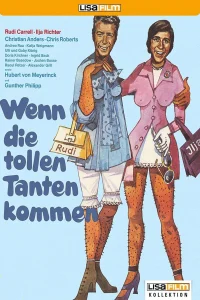
زمانی که عمه های دیوانه می رسند
1969
فیلم
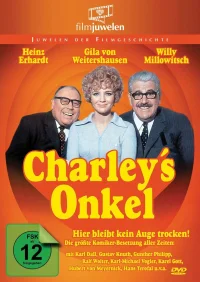
عمو چارلی
1969
فیلم
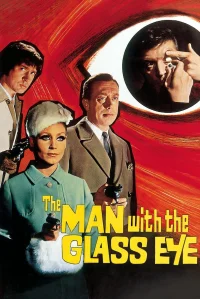
مردی با چشم شیشهای
1969
فیلم
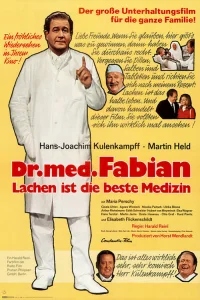
دکتر فابیان - خنده بهترین دارو است
1969
فیلم
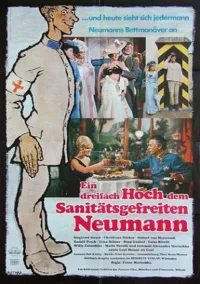
سه بار زنده باد به بهداشتچی نیومن
1968
فیلم
زامبی راه میرود
1968
فیلم
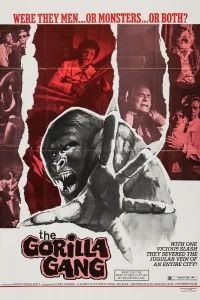
گروه گوریل
1968
فیلم
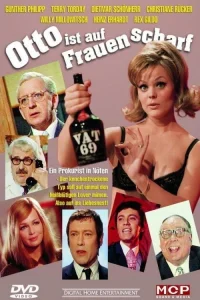
اوتو به زنان علاقهمند است
1967
فیلم
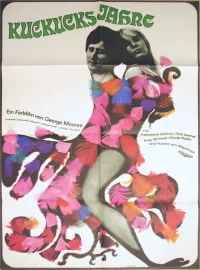
سالهای جوجهتیغی
1967
فیلم
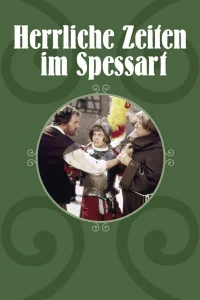
زمانهای باشکوه در اسپسارت
1967
فیلم
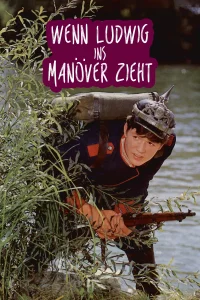
وقتی لودویگ به مانور میرود
1966
فیلم
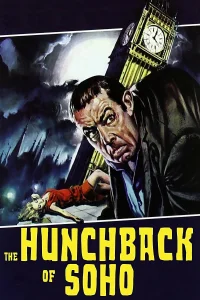
کج و کوله سوهو
1966
فیلم
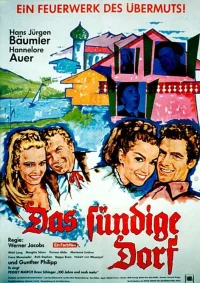
روستای گناهکار
1965
فیلم
آنها خیلی زیادند
1965
فیلم
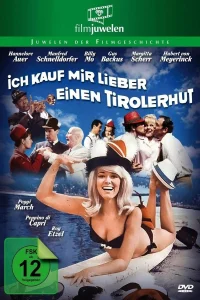
من ترجیح میدهم یک کلاه تیروئل بخرم
1964
فیلم
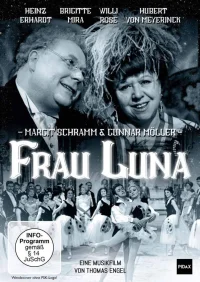
خانم لونا
1963
فیلم
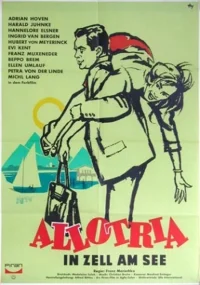
آلوتریا در زل آمو ز
1963
فیلم
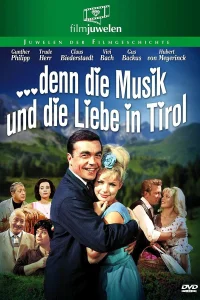
... زیرا موسیقی و عشق در تیروئل
1962
فیلم
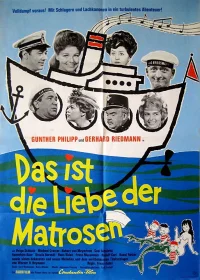
این عشق ملوانان است
1962
فیلم
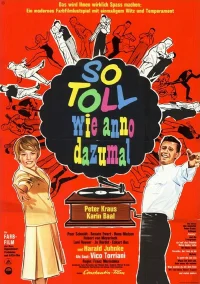
به زیبایی سالهای گذشته
1962
فیلم
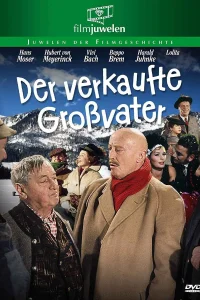
پدربزرگ فروخته شده
1962
فیلم
شب عروسی در بهشت
1962
فیلم